Building Mycotoxin Testing in Walla Walla, WA
Target hidden building mycotoxins with targeted testing and clear next steps for remediation.
Comprehensive Overview
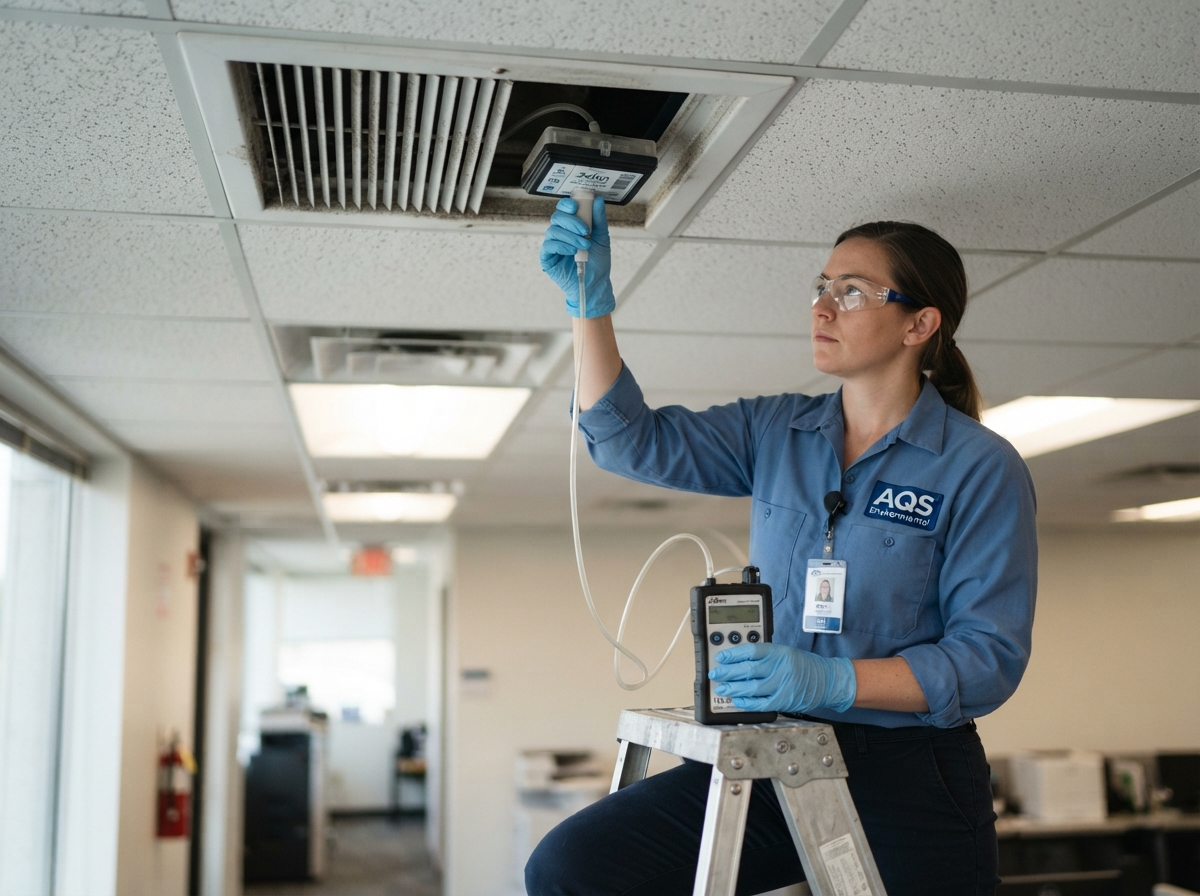
Mycotoxins are microscopic toxic chemical byproducts produced by fungi that remain active long after mold spores die. Our building mycotoxin testing samples HVAC ducts and indoor surfaces for persistent mycotoxin build-up. This is a critical distinction: even after mold has been remediated and spore counts return to normal, mycotoxins can linger in dust, on surfaces, and inside HVAC ductwork. These chemical compounds are not living organisms, so they do not respond to standard antimicrobial treatments. They must be physically removed through specialized cleaning protocols. Building mycotoxin testing identifies whether mycotoxins are present, what types, and at what concentrations. We sample HVAC return ducts, supply registers, dust from living areas, and soft furnishings where mycotoxins tend to accumulate. Lab analysis uses mass spectrometry to quantify mycotoxin levels in parts per billion. Results guide specialized decontamination protocols that go beyond standard mold remediation. This testing is especially important for individuals working with functional medicine practitioners on environmental illness, as mycotoxin exposure can persist even in buildings where mold has been successfully remediated.
Who Needs This Service?
Property owners who have had mold remediation but symptoms persist, individuals working with functional medicine practitioners on environmental illness, and anyone who wants to verify that mycotoxins are not lingering in their indoor environment after cleanup.
Why It Matters
Mycotoxins can persist in buildings long after mold is removed. If you have remediated mold but health symptoms continue, mycotoxin contamination may be the reason. Testing identifies the problem and guides specialized decontamination.
Key Benefits & Capabilities
What Is Included
When to Consider This Service
What Happens During the Inspection Process
Sampling Plan
We assess your property and develop a targeted sampling plan focusing on HVAC ducts, living area surfaces, and soft furnishings.
HVAC & Surface Sampling
We collect dust and surface samples from air handling systems, supply registers, and high-traffic living spaces using sterile protocols.
Mass Spectrometry Lab Test
Samples are analyzed using advanced mass spectrometry to quantify mycotoxin concentrations in parts per billion.
Decontamination Protocol
We deliver a customized decontamination protocol specifying cleaning methods, products, and HVAC duct cleaning recommendations.
Service FAQs
Why can mycotoxins remain when no visual mold is seen?↓
Mycotoxins bind to dust particles and settle in HVAC ducts, carpet fibers, and drywall even after water sources dry up. They are chemical byproducts, not living organisms, so they persist independently of active mold growth.
Can standard mold remediation remove mycotoxins?↓
Standard remediation removes mold growth but may not fully remove mycotoxins. Specialized cleaning protocols, including HVAC duct cleaning and HEPA vacuuming of all surfaces, are typically needed to address mycotoxin contamination.
How long do mycotoxins persist in a building?↓
Mycotoxins can persist indefinitely if not physically removed. They do not degrade on their own under normal indoor conditions, which is why post-remediation mycotoxin testing is important.
Should I test for mycotoxins before or after remediation?↓
Both. Pre-remediation testing establishes a baseline. Post-remediation testing verifies that mycotoxins have been effectively removed and the environment is safe for occupancy.
Available in All Regional Locations
We offer Building Mycotoxin Testing throughout the following communities:
Book Building Mycotoxin Testing
Request a certified K9 handler consultation for your property.
Related Services
Certified & Trusted
Russ Bishop certified K9 teams. Detection dogs trained to law enforcement standards. Serving Walla Walla & Eastern WA.
(509) 204-4110Ready to Schedule Your Building Mycotoxin Testing?
Our certified K9 teams are ready to deploy across Walla Walla and Eastern Washington. Call now or request an inspection online.