What to Expect During a Canine Mold Inspection in Walla Walla, WA
So you've decided to schedule a mold inspection in Walla Walla. Maybe it's a musty smell that won't quit, a stain that showed up after last winter's snowmelt, or a home sale that's about to close and you want peace of mind first. Whatever brought you here, it helps to know what our team, along with detection dogs Snow and Otis, will actually do once we show up.
Knowing the process ahead of time means fewer surprises on inspection day, and a faster path to an answer either way.
When to Schedule a Canine Mold Inspection
People usually reach out for one of a few reasons:
- •A musty odor that doesn't go away with cleaning
- •Visible discoloration or staining on walls, ceilings, or flooring
- •Recent flooding, a roof leak, or a plumbing failure
- •Mold turned up during a remodel
- •Buying or selling a property
- •A tenant or employee raising a concern
- •Recurring condensation in a bathroom, kitchen, or window area
- •Wanting to confirm a previous remediation job actually worked
A canine inspection isn't the same thing as eyeballing a suspicious stain. Because the search is scent based, Snow and Otis can flag areas of concern that aren't visible at all. That's usually the whole reason a property owner calls us instead of just doing a walkthrough themselves.
What Happens During a Canine Mold Inspection in Walla Walla
Initial Consultation and Property History
We start with a conversation, not a checklist. We'll ask about past leaks, the building's age, any renovations, odors you've noticed, and whether the property's been inspected or remediated before. That context tells us where to spend the most time once we're on site.
The Canine Search
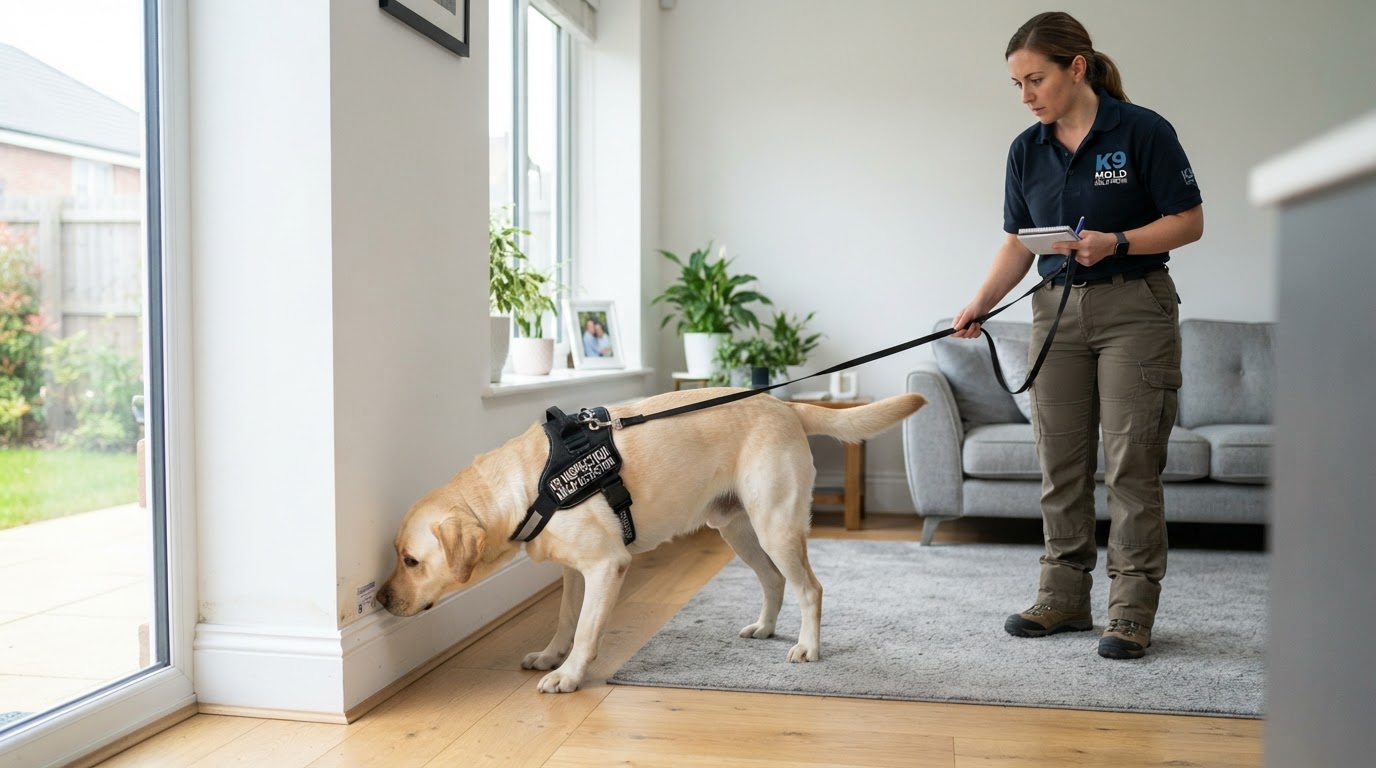
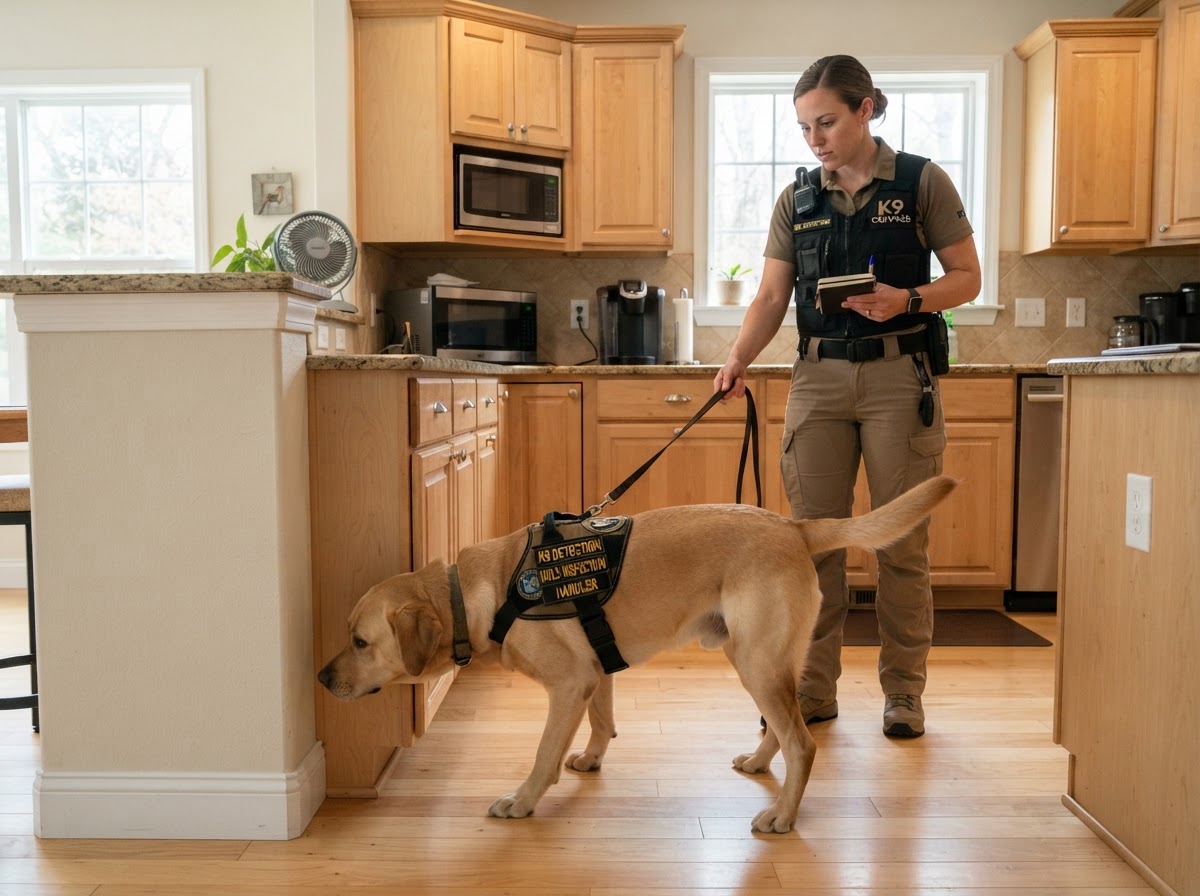
Then the handler and dog work through the property room by room. A trained dog can pick up the scent of active mold growth in places a visual check can't reach without opening them up: behind walls, under flooring, inside HVAC systems. When a dog alerts, the handler marks that spot for a closer look.
Visual and Moisture Follow-Up
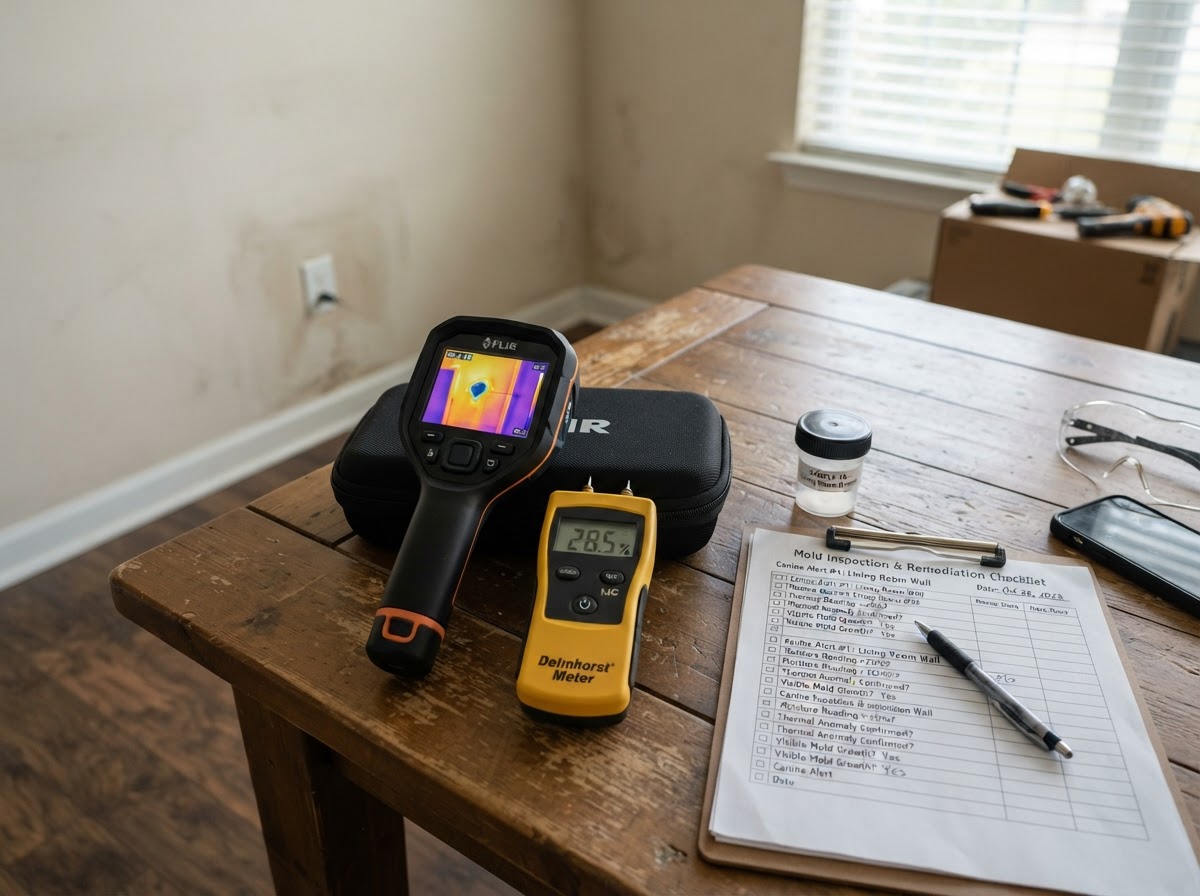
At each alert location, we do a visual check and usually run a moisture meter to see whether conditions support mold growth. Infrared imaging might come into play too, depending on the property and the alert. Not every inspection uses every tool, and we'll tell you what we're using and why as we go.
Confirmation Testing, When It's Needed
Depending on what turns up, we may recommend surface sampling, a tape lift, or air sampling. Samples get sent to an independent lab for analysis. Testing isn't automatic on every visit. It really comes down to the alert, the property, and what you're trying to find out. Canine Scent Inspections publicly identifies US BioTek as a laboratory partner for advanced mold and mycotoxin testing. The specific laboratory used for surface, tape-lift, or air samples is not publicly identified and still requires client confirmation.
Your Inspection Report
You'll get a written report covering the areas we inspected, any canine alerts, moisture readings, photos, lab results if testing was done, and our recommended next steps.
If you're ready to get on the calendar, go ahead and schedule a residential inspection in Walla Walla. It's the same process described above, just walked through in person.
What a Detection Dog Can (and Can't) Tell You
A dog's nose can pick up scent sources in places a visual inspection just can't get to. That's the real value here: narrowing down where to look before anyone has to cut into a wall or pull up flooring.
What it can't do is identify the species of mold or confirm exactly what's there. That takes lab analysis. A canine alert is a strong signal that something's worth a closer look, not a diagnosis by itself. We're upfront about that, because no inspection method, canine or otherwise, is perfect.
How Long Does an Inspection Take?
It depends on the size of the property, how many rooms and alert locations there are, how easy the attic and crawl space are to get into, and whether sampling ends up being part of the visit. A typical residential inspection runs a few hours. Larger homes, commercial buildings, or properties with tricky access can take longer. We'll give you an estimate specific to your property when you book.
How to Prepare for Your Inspection
A few things make the visit go smoother:
- •Keep affected rooms and attic or crawl space access clear
- •Don't clean, paint, or treat suspected mold beforehand. It can interfere with what we're trying to find
- •Skip strong smelling cleaning products, air fresheners, or candles for a day or two before the visit. Since the search is scent based, a heavily fragranced home makes the dog's job harder
- •Secure other pets so Snow or Otis can work without distraction
- •Gather any records of past leaks, water damage, or renovations
- •Note which rooms have odors or recurring condensation
- •If air sampling is part of your visit, ask ahead of time whether windows, fans, or the HVAC system need to stay off beforehand
Preparation can vary depending on what your inspection includes, so just ask us if you're not sure about something.
What Happens After the Inspection
A few outcomes are possible:
- •No alerts and no moisture concerns. A good outcome, and we'll tell you plainly if that's what we find
- •Moisture without a canine alert. Worth addressing before it turns into a mold problem
- •An alert confirmed by lab testing. We'll walk you through what the results mean and what to do next
- •An alert that needs more digging. Sometimes that means opening a small area, or bringing in a remediation contractor to look further
Whatever the outcome, fixing the underlying moisture source is what actually keeps mold from coming back. The inspection points you toward that, but the repair itself is a separate step, usually handled by someone else.
Inspection, Testing, and Remediation Aren't the Same Thing
These terms get mixed up a lot, and the distinction actually matters:
- •Canine detection locates likely scent sources without opening up the building
- •Lab testing (surface, air, or tape lift sampling) confirms what's actually present
- •Remediation is the physical removal work, done by a licensed remediation contractor
- •Post-remediation verification confirms, independently, whether remediation worked
We don't perform remediation ourselves, which means we have no financial stake in what we find. Our only job is giving you an accurate picture, and pointing you to a remediation contractor if you need one.
Local Considerations for Walla Walla Valley Properties
Walla Walla's mix of an older downtown commercial core and newer construction spreading out toward College Place means inspection conditions can look pretty different from one property to the next. Walla Walla has housing from multiple development eras, including historic late-19th- and early-20th-century neighborhoods, mid-century and postwar homes, and newer development. Reliable public sources did not establish a single typical construction style for College Place or Milton-Freewater, so those city-specific construction details still require client or local assessor confirmation.
Crawl spaces, older plumbing, and additions built on over the decades come up often enough locally that we build extra time into inspections for the harder to reach spots. No authoritative local source was found showing that crawl spaces are more prevalent than basements in the Walla Walla Valley. Climate data support cooler, wetter winter conditions and hot, comparatively dry summers. A specific irrigation-related indoor mold risk was not established by reliable public sources, so that claim should not be stated as a confirmed local fact without client-specific inspection data.
If you're outside Walla Walla proper, we also regularly cover College Place, Milton-Freewater, Waitsburg, and Dayton. Just ask whether we cover your location if you're not sure.
Ready to Schedule Your Inspection?
If you've noticed a musty smell, a water stain, or you're heading into a property transaction and want clarity before it closes, the next step is simple: book a residential canine mold inspection in Walla Walla. And if you're still weighing whether canine detection or standard lab testing is the better fit, our home mold and mycotoxin testing page walks through that too.
*Sources: U.S. EPA: Mold | CDC: Mold*
Frequently Asked Questions
Suspect Mold in Your Home or Property?
Schedule a non-invasive canine mold inspection with our K9 handlers today. Serving Walla Walla and Eastern Washington.
Related Articles
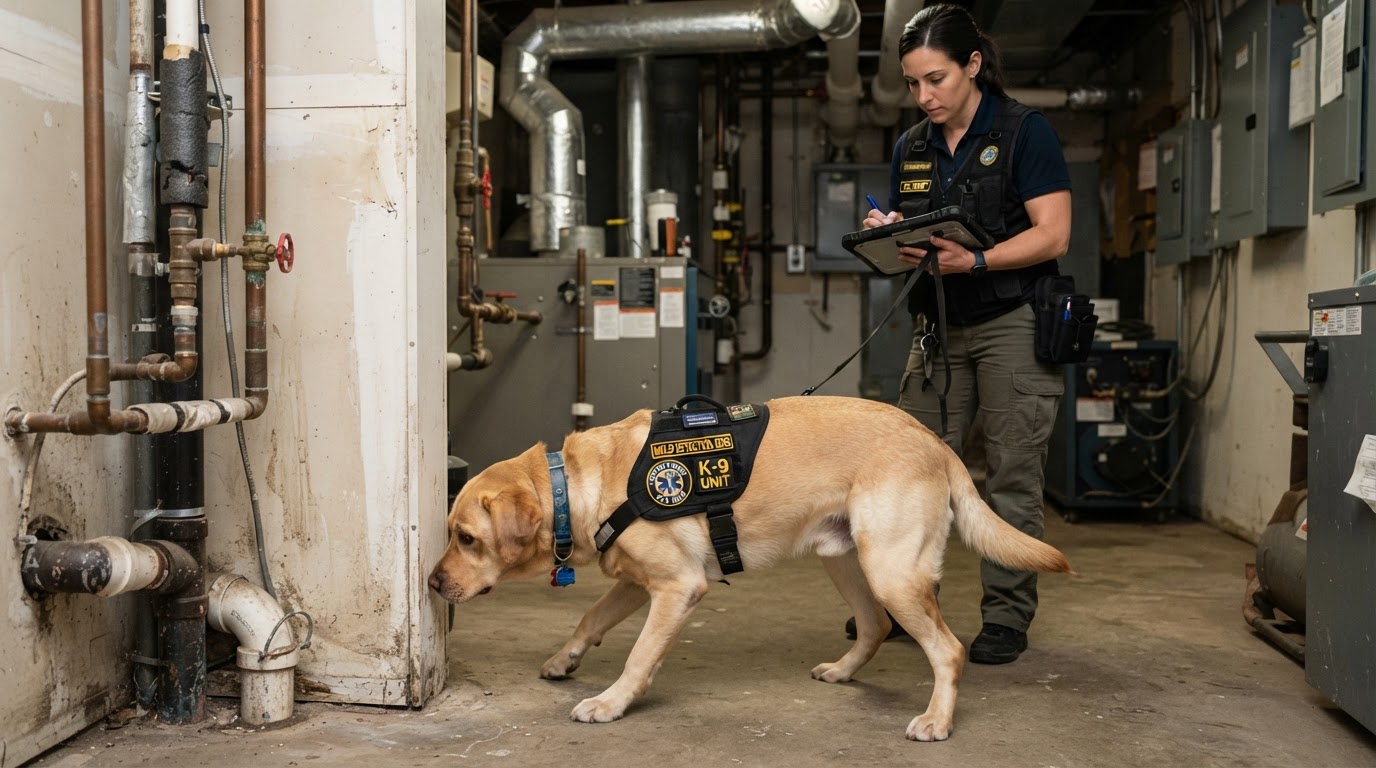
Mold Inspection for Property Managers: A Practical Checklist
Mold inspection for property managers, as a checklist: seasonal checks, tenant complaint steps, and when scheduled monitoring is worth it.
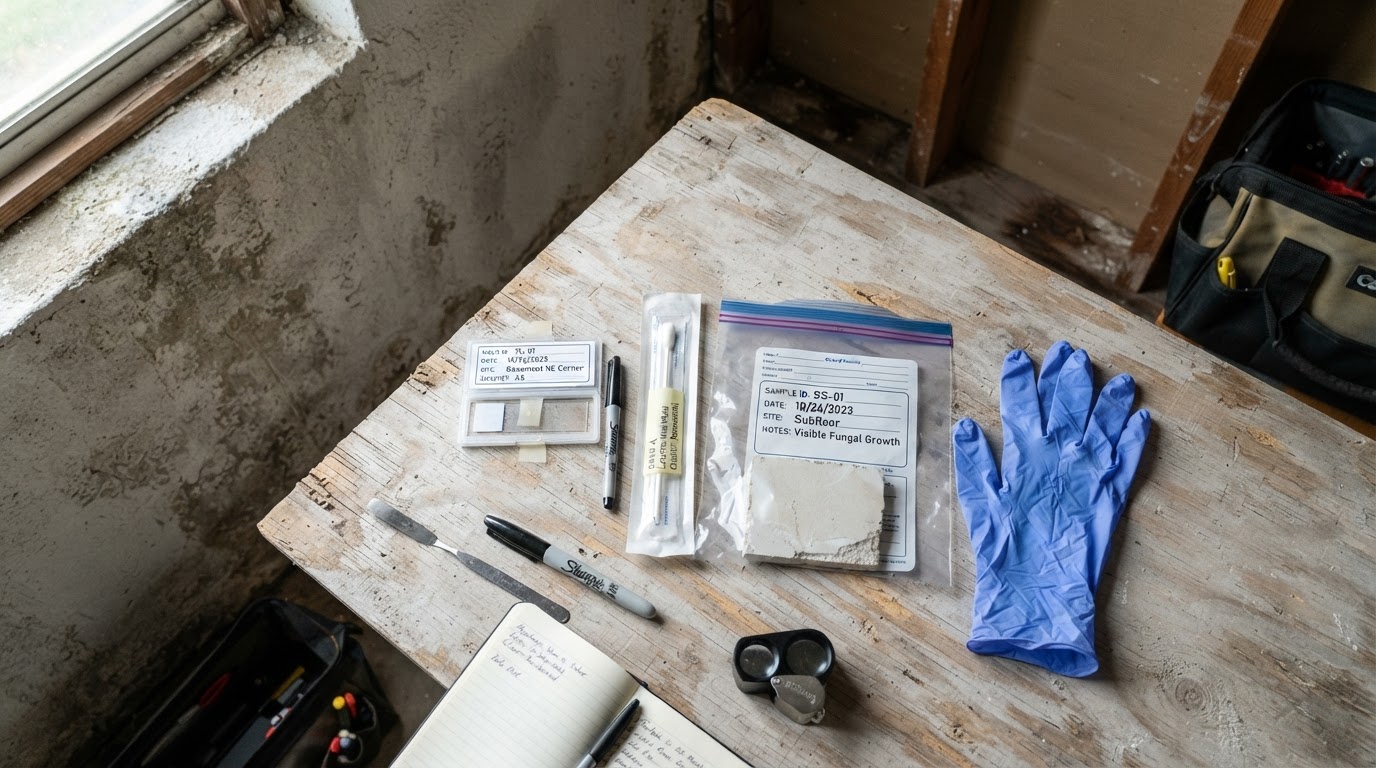
Which Mold Test Do You Need? Surface, Air, and Mycotoxin Testing Compared
Which mold test do you need? Compare surface testing, air sampling, and building mycotoxin testing, and learn when testing is not necessary.