What Are Mycotoxins? Understanding Mold Toxins in Your Home
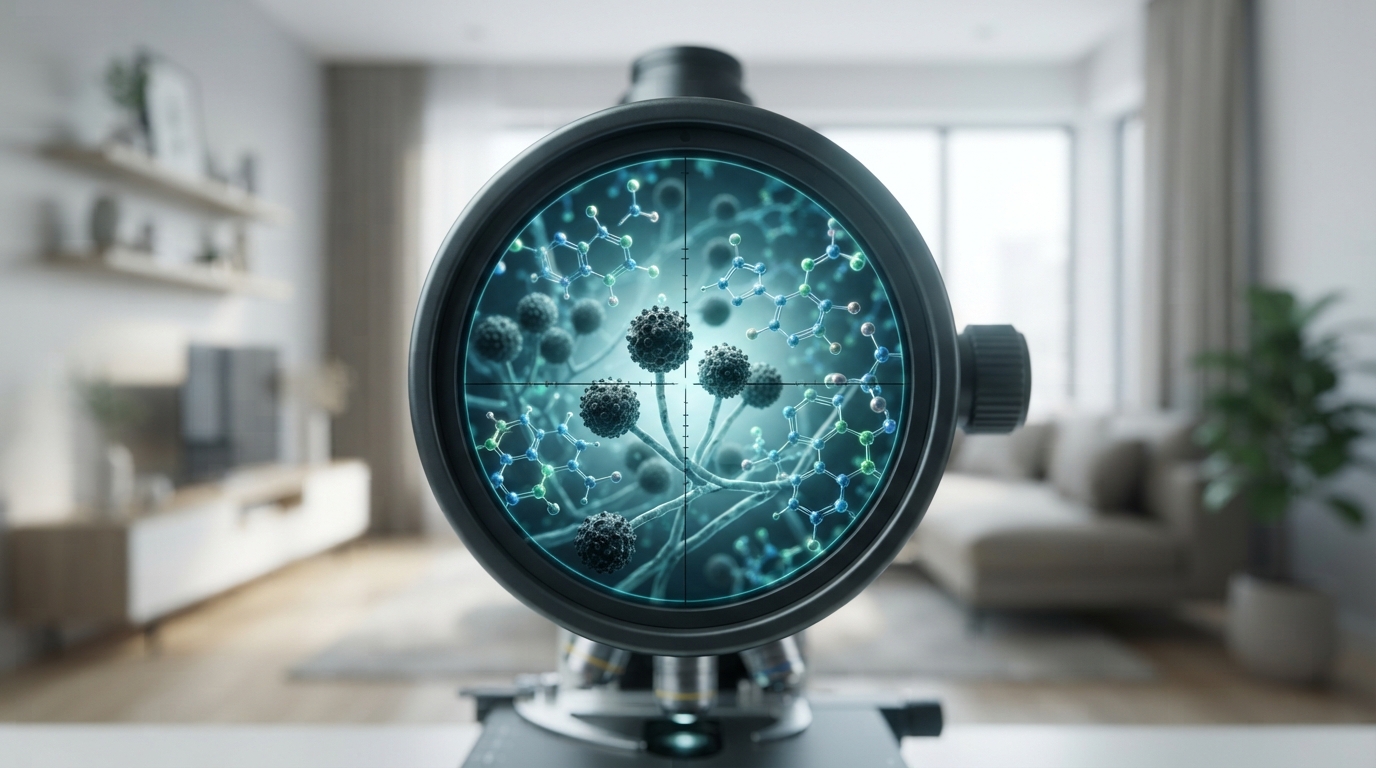
Mycotoxins are microscopic toxic chemical compounds produced by certain species of fungi as secondary metabolites. Unlike mold spores, which are living reproductive particles, mycotoxins are chemical substances that can persist in indoor environments long after the mold that produced them has been removed.
Common mycotoxins found in indoor environments include Ochratoxin A, Aflatoxins, Trichothecenes, and Gliotoxin. These compounds are produced by mold species such as Aspergillus, Penicillium, and Stachybotrys that commonly grow in water-damaged buildings.
A critical distinction: mycotoxins are not living organisms. They do not die when mold is killed, and they do not degrade on their own under normal indoor conditions. This means that even after a successful mold remediation, mycotoxin contamination can persist in dust, on surfaces, and inside HVAC ductwork.
Standard mold remediation protocols focus on removing mold growth and spores. However, mycotoxins may require specialized cleaning protocols including HEPA vacuuming of all surfaces, HVAC duct cleaning, and in some cases removal of contaminated soft furnishings.
Building mycotoxin testing identifies whether mycotoxins are present in your indoor environment, what types, and at what concentrations. This is especially important for individuals working with functional medicine practitioners on environmental illness, as mycotoxin exposure can persist even in buildings where mold has been successfully remediated.
For the most complete picture, we recommend combining building mycotoxin testing with human mycotoxin testing. This correlation shows what is in your environment and what is in your body, providing valuable data for your healthcare provider.
Important: Mycotoxin testing provides environmental exposure data. It does not diagnose any disease. Anyone experiencing health concerns should consult a qualified healthcare professional.
Suspect Mold in Your Home or Property?
Schedule a non-invasive canine mold inspection with our K9 handlers today. Serving Walla Walla and Eastern Washington.
Related Articles
Mold Inspection for Property Managers: A Practical Checklist
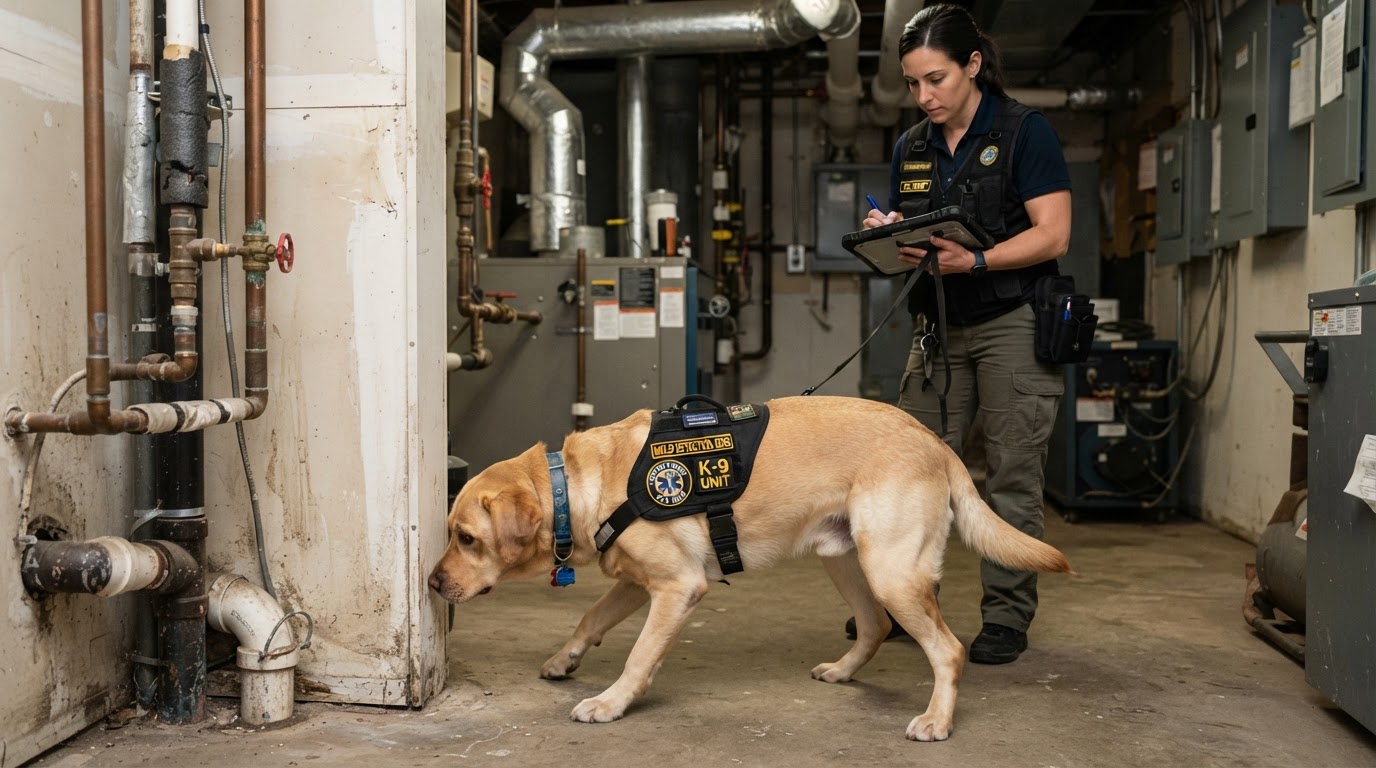
Mold inspection for property managers, as a checklist: seasonal checks, tenant complaint steps, and when scheduled monitoring is worth it.
Which Mold Test Do You Need? Surface, Air, and Mycotoxin Testing Compared
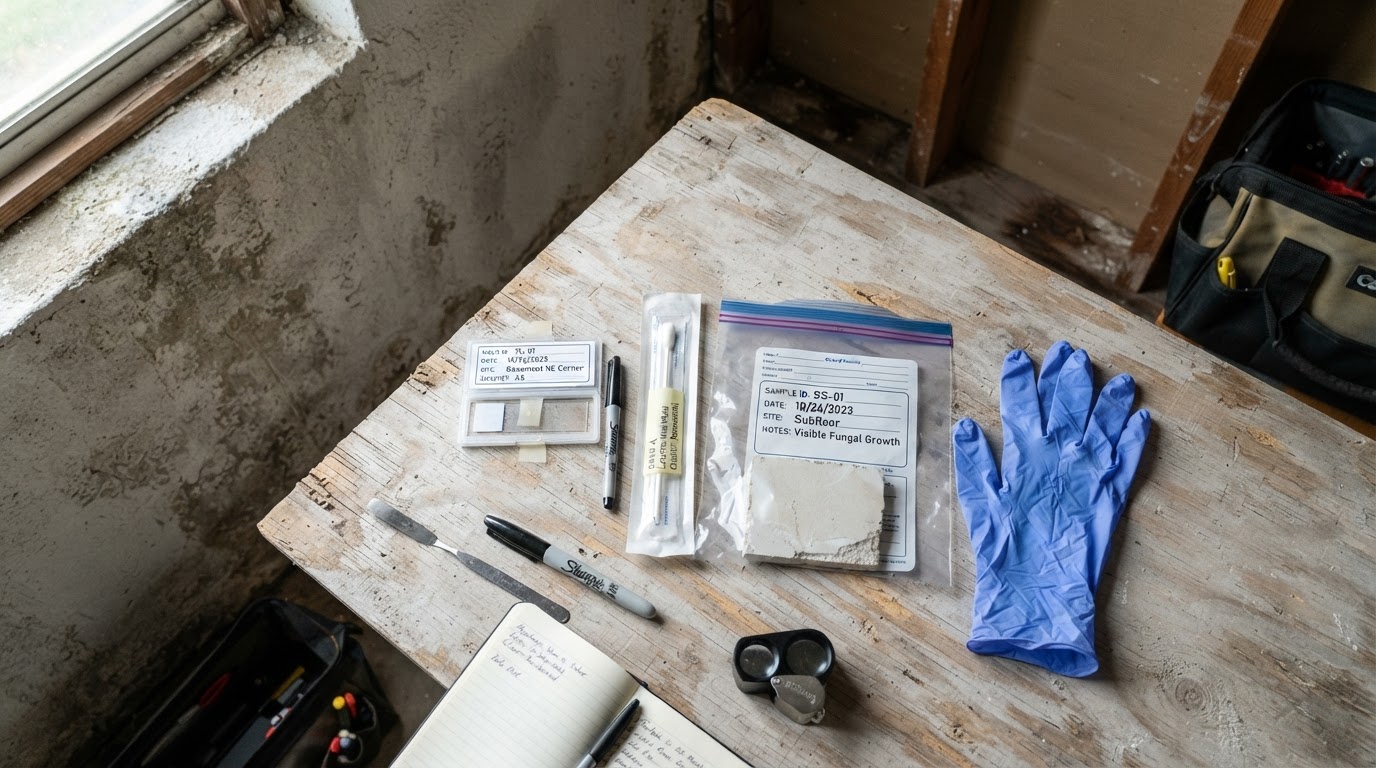
Which mold test do you need? Compare surface testing, air sampling, and building mycotoxin testing, and learn when testing is not necessary.